Cargo operations involve heavy equipment, moving machinery, elevated surfaces, and demanding work conditions. When an injury occurs aboard a vessel or during cargo operations, the legal framework may depend on whether the worker qualifies as a seaman, longshore or harbor worker, contractor, or another type of maritime employee.
Wagner, McLaughlin & Whittemore represent injured maritime workers in cargo ship injury cases throughout Florida. These matters often require an analysis of the worker’s legal status, vessel operations, employer conduct, and the federal maritime laws that may apply.
Call Today
813-225-4000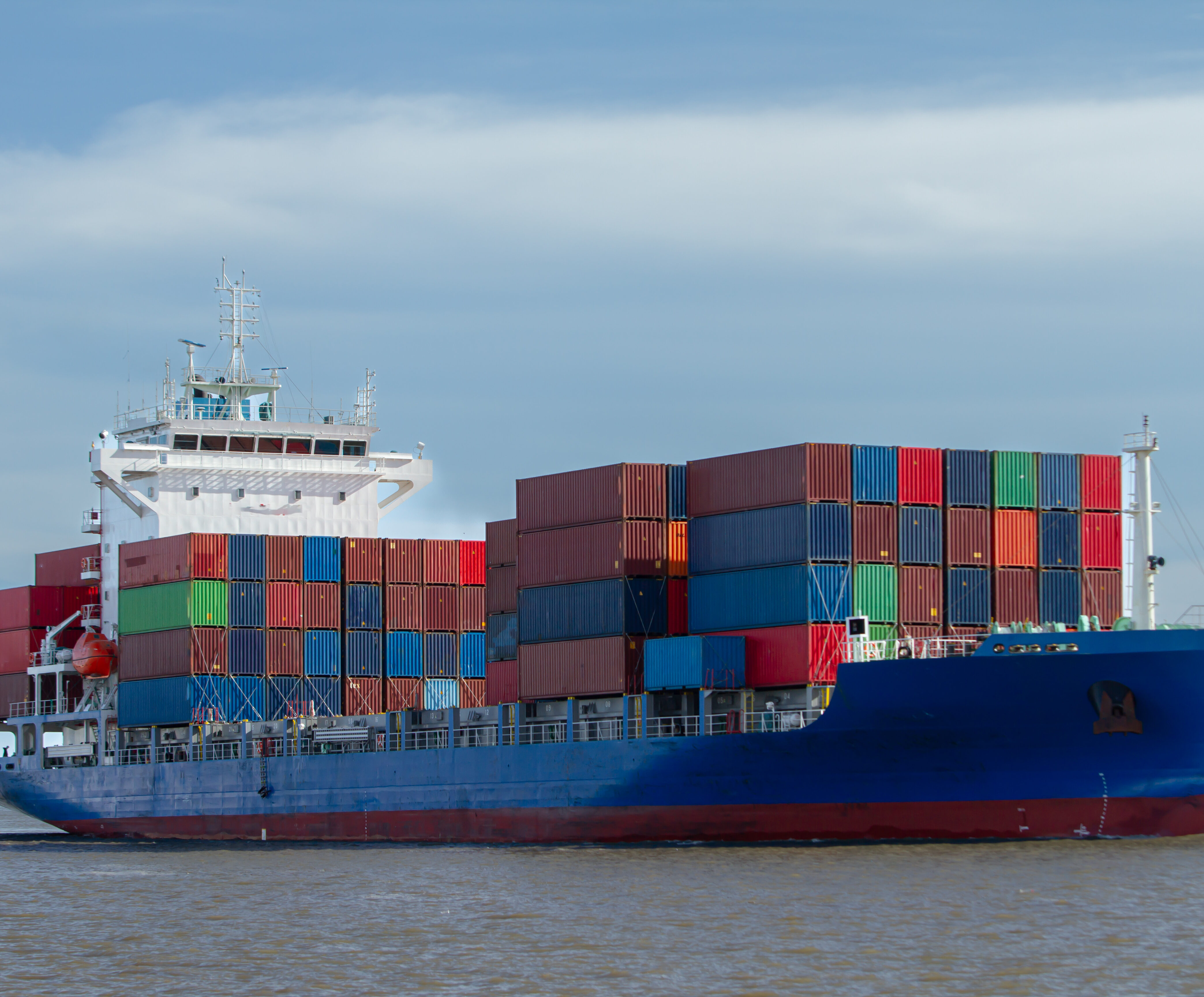
The law that applies after a cargo ship injury can depend heavily on the work you performed and your relationship to the vessel. Workers performing different jobs during the same cargo operation can have different legal protections, even when their injuries occur under similar conditions.
Determining your legal status is often an important first step in evaluating a maritime injury claim. That classification can affect which benefits, damages, and legal remedies may be available.
The Jones Act provides certain seamen with a federal cause of action when employer negligence, fellow employee negligence or an unseaworthy condition on the vessel contributes to an injury. Under 46 U.S.C. § 30104, a qualifying seaman can bring a civil action against an employer for injuries caused by the employer’s negligence.
Whether you qualify as a seaman depends on your work and your connection to a vessel or fleet of vessels. If the Jones Act applies, evidence concerning the employer’s safety practices, training, equipment, and conduct before the accident can affect the negligence claim.
Regardless of how the injury occurs, a seaman is entitled to receive certain benefits from their employer know as maintenance and cure. Maintenance is a daily allowance paid to cover basic living expenses while the injured seaman is recovering. Cure is the reasonable cost of medical treatment for the injured seaman.
A Florida Jones Act lawyer can evaluate your duties and relationship to the vessel and investigate the circumstances that contributed to your injury.
The Longshore and Harbor Workers’ Compensation Act provides federal workers’ compensation benefits to qualifying maritime employees, including many workers who load or unload vessels and perform other longshore or harbor work. The LHWCA, 33 U.S.C. §§ 901–950, establishes requirements for coverage and benefits.
If you qualify for LHWCA coverage, you may be entitled to medical treatment and disability compensation for a work-related injury. The Act can also permit a negligence action against a vessel in certain circumstances.
Not everyone who works on or around a cargo vessel falls into the same maritime classification. Contractors and other workers may have rights under different federal or state laws depending on the work they performed, their employer, and their relationship to the vessel.
The location of the accident can also affect which laws apply. An injury aboard a vessel may be governed by a different legal framework than an injury occurring on a dock, terminal, or other area involved in cargo operations.
These distinctions can affect the claims and remedies available after an injury. A Florida maritime injury lawyer can evaluate the circumstances of your work and accident to identify the legal protections that may apply
Although we’re based in Tampa, our reputation for succeeding in complex cases leads us to practice statewide, serving cities including:
A cargo ship injury may give you the right to bring a civil claim depending on the law that applies to your employment and the circumstances of the accident. Qualifying seamen may pursue employer-negligence or unseaworthiness claims under the Jones Act, while some LHWCA-covered workers may bring negligence claims against a vessel under federal law. Whether you can sue, who may be named in a claim, where you can sue and what damages may be available depend on the specific circumstances.
A cargo ship injury does not necessarily fall under Florida’s ordinary workers’ compensation system. Qualifying longshore and harbor workers may receive federal workers’ compensation benefits under the LHWCA, while qualifying seamen generally pursue maritime remedies such as Jones Act claims rather than LHWCA benefits. The worker’s duties and relationship to the vessel can determine which system applies.
The LHWCA contains protections for covered employees who claim or attempt to claim compensation under the Act. The statute also provides protections related to testifying in proceedings under the Act. The protections available to you depend on whether the LHWCA applies to your employment and circumstances.
An injury outside Florida territorial waters can still fall under general maritime law. The location of the accident is one factor considered when determining which law applies, but the worker’s legal status, relationship to the vessel, and nature of the work can also be important. An offshore location alone does not determine whether you have a maritime injury claim.
In some maritime claims, you may still be able to recover compensation even if your own conduct contributed to the accident. The effect of shared fault depends on the type of claim and the law that applies to your circumstances. The facts surrounding the accident can be important when determining how fault affects a potential recovery.
The deadline depends on the type of maritime claim involved. Federal law generally provides three years to bring a civil action for damages arising from a maritime tort, while an LHWCA compensation claim generally must be filed within one year of the injury or death, subject to statutory requirements and exceptions. Notice requirements and other deadlines may also apply. Because missing a deadline can affect your ability to pursue a claim, the specific circumstances should be evaluated promptly.
Cargo ship injuries often involve facts that are not immediately clear after an accident. Your work duties, relationship to the vessel, accident location, vessel conditions, and employer conduct may all affect the applicable legal framework.
Wagner, McLaughlin & Whittemore evaluate maritime injury claims involving cargo ship accidents to determine whether federal maritime law provides a remedy based on the facts of the incident.
Contact Wagner, McLaughlin & Whittemore to schedule a consultation with a Florida maritime injury lawyer and discuss the circumstances of your injury.
We're Available — Call Today